If you’re comparing whole house water filters, the spec sheets can start to blur together fast: micron ratings, flow rates, housing materials, certifications. Here’s what actually changes how a system performs in an Australian home, and what’s mostly marketing noise.
Most buying mistakes come down to three things: choosing a system that’s undersized for the home’s flow rate, skipping certification checks, and picking a housing material that won’t survive outdoor installation. Get those three right and most other decisions become easy.
Start With Flow Rate, Not the Filter Brand
Every whole house filter has a rated flow rate, usually measured in litres per minute or GPM (gallons per minute). This number matters more than almost anything else on the spec sheet, because it determines whether your water pressure holds up when two bathrooms and a kitchen tap are running at once.
A system rated for a single bathroom home will bottleneck a larger household. Before comparing filters, it’s worth knowing your home’s typical peak demand: how many bathrooms, whether you’ve got a large garden irrigation system, and whether pressure has ever been an issue already.
What to check:
- Rated flow rate in L/min, matched against your home’s peak simultaneous usage
- Housing diameter: narrower housings restrict flow more under load
- Whether the flow rate is tested at full cartridge capacity, not just when new
Micron Rating: The Number That Decides What Gets Caught
The micron rating tells you the smallest particle size a filter stage will physically block. Lower numbers catch finer sediment but also restrict flow more and clog faster. Most whole house systems use a graduated approach: a coarser sediment stage first (often 20–50 micron), followed by finer carbon or KDF stages.
For most Sydney homes on mains water, a 20-micron sediment pre-filter followed by a sub-micron carbon stage covers the practical range: sediment, chlorine taste and odour, and many dissolved metals. Homes on bore water or with known sediment issues sometimes need a finer first stage.
Rule of thumb: if a system claims a single very fine micron rating across the whole unit with no staged approach, ask how often the cartridge needs replacing. Fine ratings without staging clog fast under Australian mains sediment loads.
Certification: NSF and AS/NZS, Not Just “Certified”
“Certified” on its own means nothing. Ask which standard, since two matter in Australia:
- NSF/ANSI standards (commonly NSF/ANSI 42 for taste/odour, NSF/ANSI 53 for health-related contaminant reduction), which confirm the filter media actually does what’s claimed, tested by an accredited lab
- AS/NZS 3500, the Australian plumbing standard governing how the system is installed, including backflow prevention
A genuine NSF certification will have a listing you can look up directly on the NSF website by product name. If a supplier can’t point you to that listing, treat the certification claim as unverified.
Stainless Steel vs Poly Housing: Where It Actually Matters
Housing material is mostly irrelevant if the filter sits indoors in a temperature-stable space. It becomes very relevant the moment installation is outdoors, whether that's a garage, meter box, or exposed wall, which describes a large share of Sydney installations.
Poly (plastic) housings are cheaper and fine for indoor use, but Australian UV exposure and heat cycling cause visible yellowing, brittleness and eventual cracking over a few years outdoors. Stainless steel housings cost more upfront but don’t degrade from sun exposure and generally outlast poly by a wide margin in outdoor installs.
If your installer is proposing an outdoor location, which is common where the water meter or mains entry point sits outside, housing material stops being a minor spec and becomes a genuine long-term cost decision.
How Many Stages Do You Actually Need?
More stages aren’t automatically better. Three stages, sediment, carbon, and a KDF or catalytic carbon stage for chlorine/chloramine and some metals, cover what the overwhelming majority of Sydney homes on mains water need. Five-stage systems add diminishing returns unless there’s a specific issue being targeted, like high iron content or a documented contaminant from a water test.
Before paying for extra stages, it’s worth asking what each additional stage is specifically removing that the first three don’t already handle, and whether that matches a documented issue in your water rather than a general “more is better” sales pitch.
Installation Space and Warranty Terms
Two practical items get missed in the buying decision:
Installation space. Whole house systems need clearance for cartridge changes, so measure the available space at the mains entry point or meter box before ordering, particularly for larger dual or triple-housing units.
Warranty terms.Check what’s covered and for how long, since housing warranty and cartridge/media warranty are often different periods. A stainless steel housing with a genuine multi-year warranty backed by an Australian supplier matters more over a 10+ year system life than most other specs on the page.
The Short Version
Before buying a whole house water filter, confirm:
- Flow rate matches your home’s actual peak usage
- Micron ratings are staged (coarse to fine), not a single number
- Certification is a specific standard (NSF/ANSI, AS/NZS) you can verify
- Housing material suits the installation location
- Stage count matches a documented water quality need
- Installation space and warranty terms are confirmed before the unit arrives
Get those right and the rest of the decision (brand, colour, exact model) matters far less than most spec sheets suggest.
Considering a Whole House Water Filter?
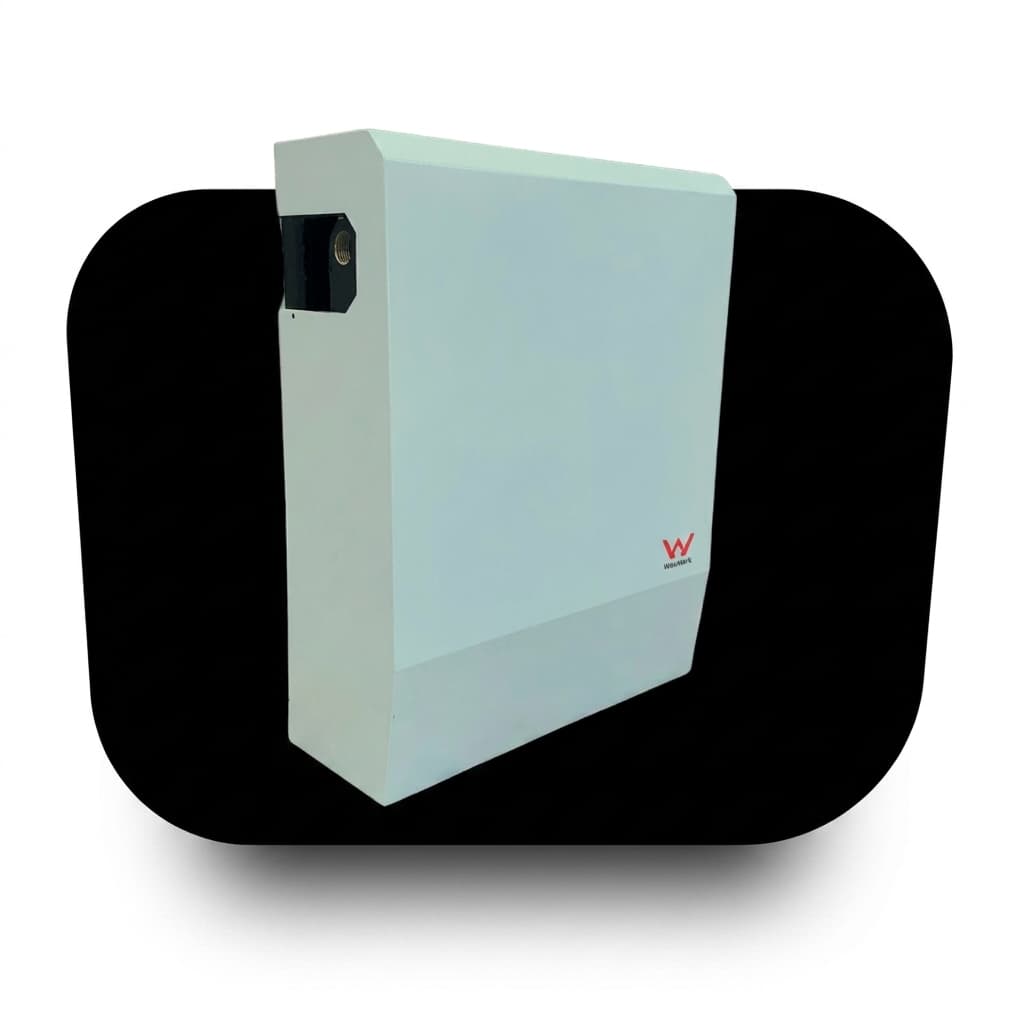
Ark Aqua’s whole home filtration systems are built with 3-stage stainless steel housings designed for Australian conditions.
View Whole Home Systems